

The essential Palm Springs part 2: beyond the city limits
In our last article, the first of three looking at the
cultural world of Palm Springs, California, we stayed within the city limits.
In this second part we venture slightly further afield, visiting the
neighbouring town of Desert Hot Springs and using the Desert X sculpture
biennial to explore some of the landscapes immediately around the celebrated
modernist city.
OUTSIDE PALM SPRINGS
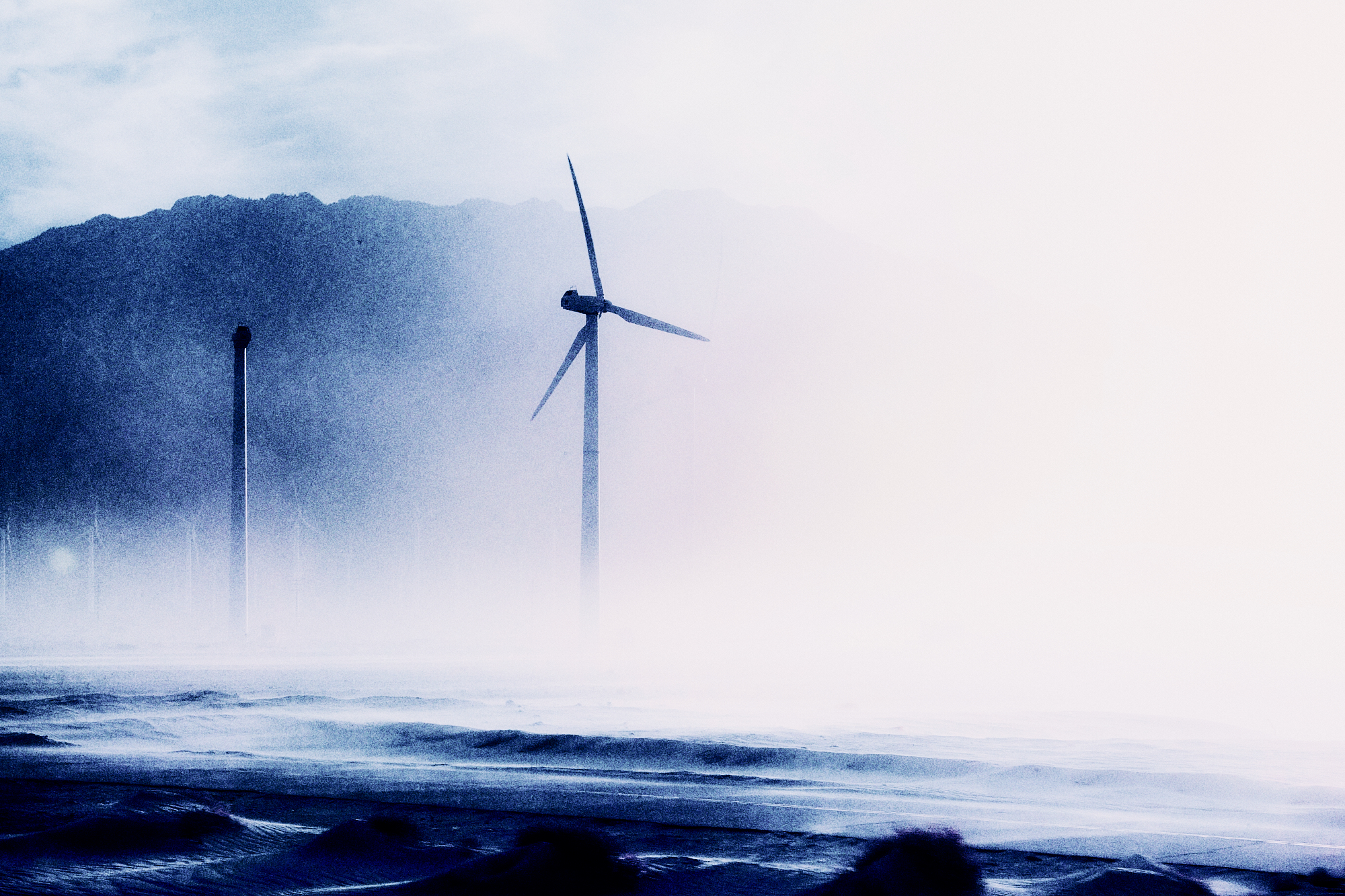
In the main, Palm Springs is a single-storey spread that covers a wide area with cul-de-sacs and modernist homes. But when that abruptly ends, you shouldn’t – because there is much more beyond the city limits and in neighbouring areas that are well worth exploring. The landscape is fascinating. A flatness with bursts of wind turbines dominates, but throughout there is a diverse mix of local vernacular, modern plug-n-play roadside sheds, unexpected peculiarities, and many worthwhile stops.
The modernism of Palm Springs as we looked at in part 1 (see 00315) is remarkable, but it’s only more remarkable when read against the rich diversity of wider communities and architectures. The neighbouring town of Desert Hot Springs has not received the money, attention, or celebrity-adoption as Palm Springs, but it is a place rich with personality, history, and character that not only acts as counterpoint to its more illustrious neighbour but is a fascinating place on its own merit.
In the main, Palm Springs is a single-storey spread that covers a wide area with cul-de-sacs and modernist homes. But when that abruptly ends, you shouldn’t – because there is much more beyond the city limits and in neighbouring areas that are well worth exploring. The landscape is fascinating. A flatness with bursts of wind turbines dominates, but throughout there is a diverse mix of local vernacular, modern plug-n-play roadside sheds, unexpected peculiarities, and many worthwhile stops.
The modernism of Palm Springs as we looked at in part 1 (see 00315) is remarkable, but it’s only more remarkable when read against the rich diversity of wider communities and architectures. The neighbouring town of Desert Hot Springs has not received the money, attention, or celebrity-adoption as Palm Springs, but it is a place rich with personality, history, and character that not only acts as counterpoint to its more illustrious neighbour but is a fascinating place on its own merit.

PIL-O-ROX HOUSE
While Palm Springs has its Modern Art Museum and history of Hockney, Astaire et al, Desert Hot Springs has its own culture. Two fascinating and unique destinations are near neighbours, and well worth an intriguing pit stop: the Pil-o-Rox house, a Flintstonian home that started the development of the town, and Cabot’s Pueblo Museum, a multi-level, 35-room Hopi-inspired complex dedicated to the cultural history of one man and now also a place of community creativity.
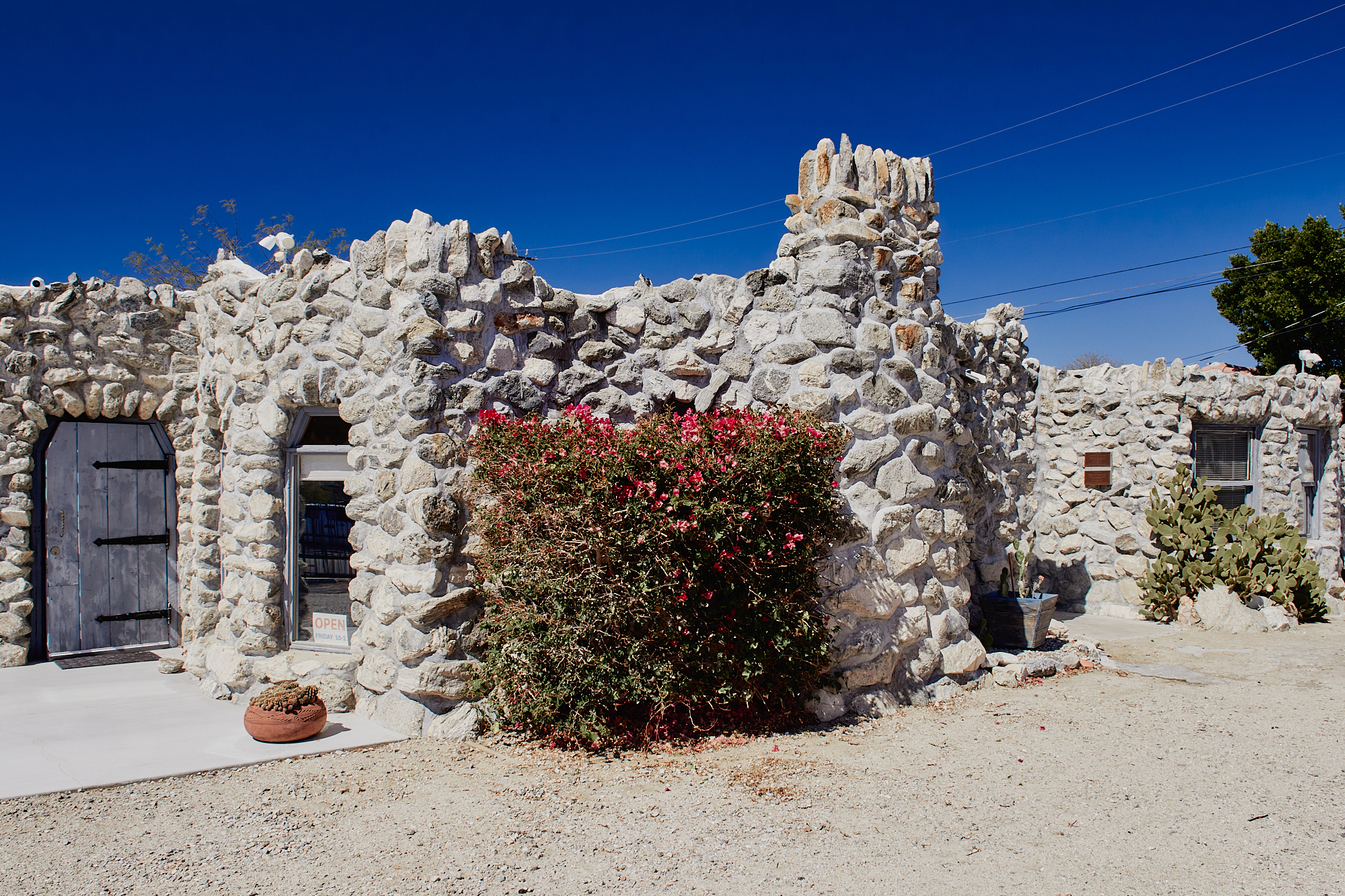
In 1947, the area north of Palm Springs was largely empty desert, dotted with over twenty naturally occurring hot and cold mineral springs. Until 1908, the local population comprised Cahuilla Indians, with a scattering of homesteaders up until 1941 when the town was founded. Constructed by hand by retired 75-year-old miner Lee Watkins, the Pil-o-Rox house was one of the first permanent homes in an area advertised as a “Cabin Sites development”. The hand-made dry-stone vernacular makes for a strange bedfellow alongside the developer stock elsewhere in the town, and is now a volunteer-organised museum and community space.
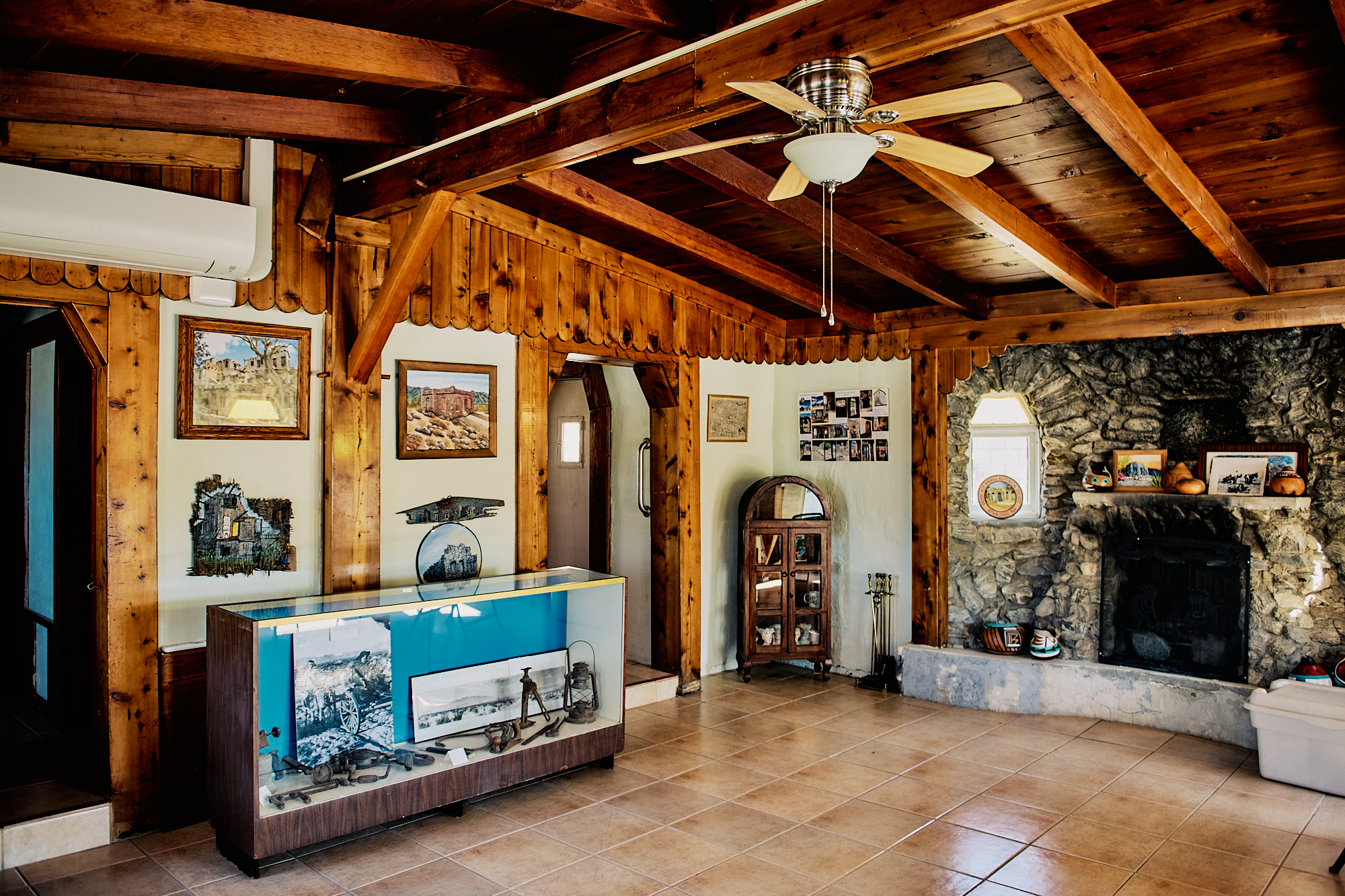
Managed by the Desert Hot Springs Historical Society, the home made of rocks locally sourced by Lee and his wife Leanora opened to the public in 2024. Inside are a range of vitrines with quirky, characterful, and curious glimpses into the building and town’s past: archive photos, abandoned century-old homestead tools, and newspaper clippings.
While Palm Springs has its Modern Art Museum and history of Hockney, Astaire et al, Desert Hot Springs has its own culture. Two fascinating and unique destinations are near neighbours, and well worth an intriguing pit stop: the Pil-o-Rox house, a Flintstonian home that started the development of the town, and Cabot’s Pueblo Museum, a multi-level, 35-room Hopi-inspired complex dedicated to the cultural history of one man and now also a place of community creativity.
In 1947, the area north of Palm Springs was largely empty desert, dotted with over twenty naturally occurring hot and cold mineral springs. Until 1908, the local population comprised Cahuilla Indians, with a scattering of homesteaders up until 1941 when the town was founded. Constructed by hand by retired 75-year-old miner Lee Watkins, the Pil-o-Rox house was one of the first permanent homes in an area advertised as a “Cabin Sites development”. The hand-made dry-stone vernacular makes for a strange bedfellow alongside the developer stock elsewhere in the town, and is now a volunteer-organised museum and community space.
Managed by the Desert Hot Springs Historical Society, the home made of rocks locally sourced by Lee and his wife Leanora opened to the public in 2024. Inside are a range of vitrines with quirky, characterful, and curious glimpses into the building and town’s past: archive photos, abandoned century-old homestead tools, and newspaper clippings.
CABOT’S PUEBLO MUSEUM
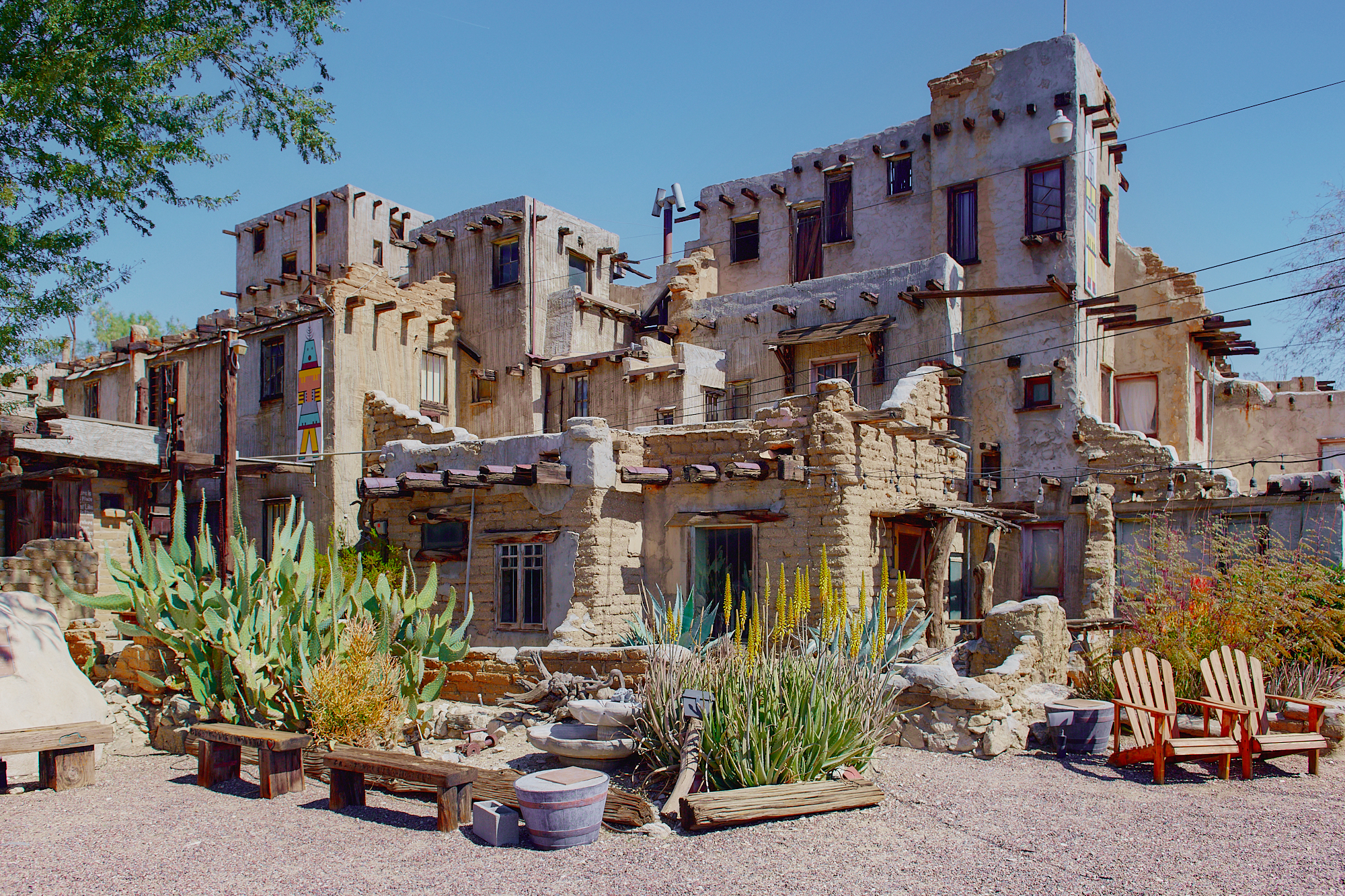
Nearby is Cabot’s Pueblo Museum, a revival-style construction hand built over two decades and now one of the oldest surviving adobe buildings in the region. It was constructed by Cabot Yerxa, one of the earliest homesteaders to settle in Desert Hot Springs and a man who speaks to the early growth of the United States: born on a Lakota Sioux reservation in Dakota, he was a travelling cigar salesman, developed real estate in Cuba, and worked on his orange grove in Riverside (lost to a 1913 freeze). Cabot was behind the subdivision of Desert Hot Springs, leading to the early growth of the land.
Cabot Yerxa was an adventurer and settler who first explored the local area in 1913, building wells and discovering the aquifers that would lead to the town’s name and resorts. Having left to fight in the First World War, he returned in 1937 and began to construct a house-museum to his collection of artifacts from the Native American communities, amongst other places he had travelled to. Designed in a vernacular to honour the Hopi Indian people, the four-storey building covers over 450m and has 30 different roof levels – and is largely all comprised of locally sourced materials including scrap wood and sheet metal.
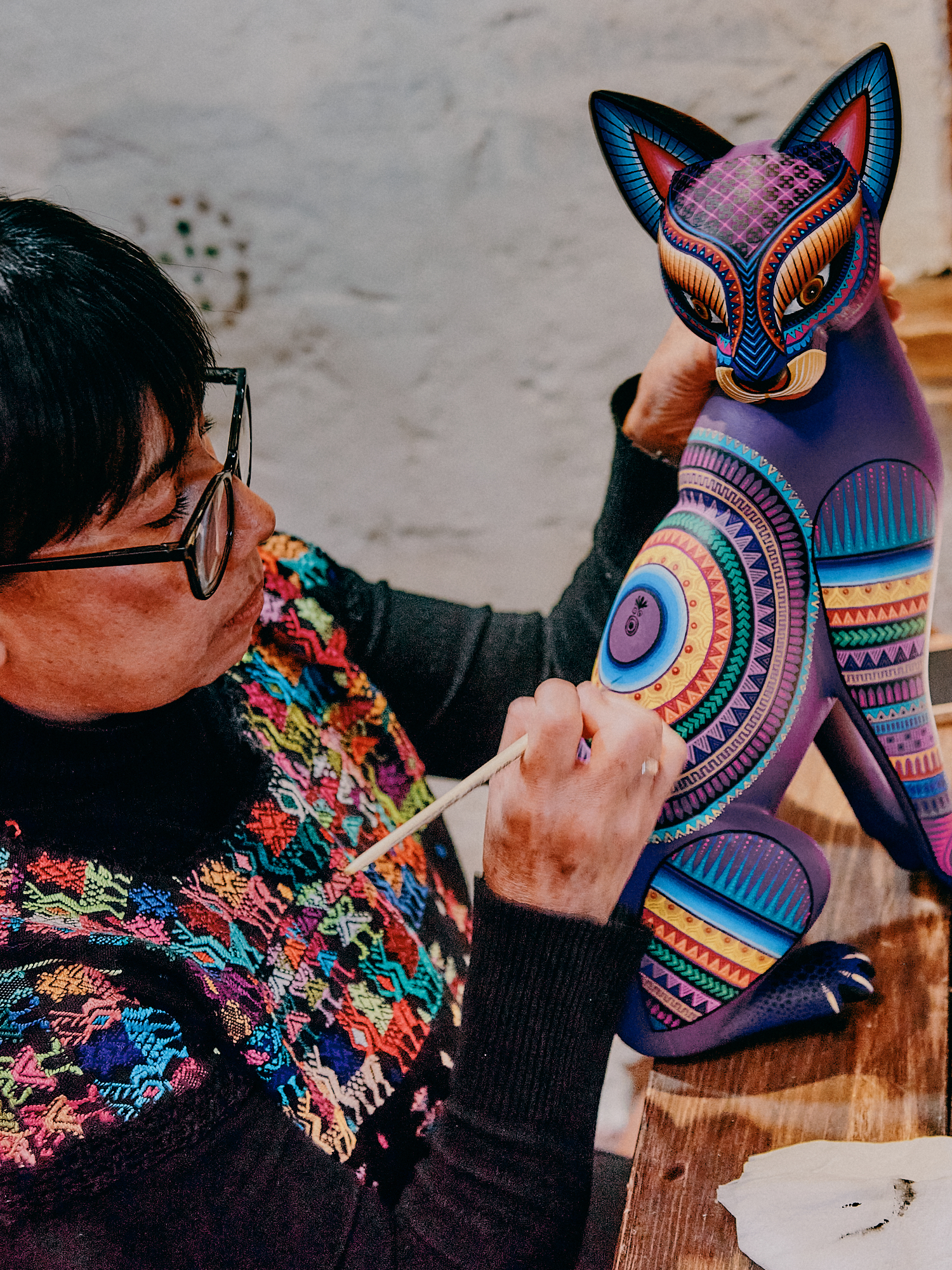
It is the most eclectic and curious place, and a refreshing break from the manner, order, and mid-century tightness of Palm Springs. American Indian and Alaskan Native artifacts fill rooms, outside giant carved sculptures dot the walkable gardens, and the Cabot’s Trading Post & Gallery is a delightful space dedicated to local craftsmanship and making, where you can meet makers and buy their work.
Nearby is Cabot’s Pueblo Museum, a revival-style construction hand built over two decades and now one of the oldest surviving adobe buildings in the region. It was constructed by Cabot Yerxa, one of the earliest homesteaders to settle in Desert Hot Springs and a man who speaks to the early growth of the United States: born on a Lakota Sioux reservation in Dakota, he was a travelling cigar salesman, developed real estate in Cuba, and worked on his orange grove in Riverside (lost to a 1913 freeze). Cabot was behind the subdivision of Desert Hot Springs, leading to the early growth of the land.
Cabot Yerxa was an adventurer and settler who first explored the local area in 1913, building wells and discovering the aquifers that would lead to the town’s name and resorts. Having left to fight in the First World War, he returned in 1937 and began to construct a house-museum to his collection of artifacts from the Native American communities, amongst other places he had travelled to. Designed in a vernacular to honour the Hopi Indian people, the four-storey building covers over 450m and has 30 different roof levels – and is largely all comprised of locally sourced materials including scrap wood and sheet metal.
It is the most eclectic and curious place, and a refreshing break from the manner, order, and mid-century tightness of Palm Springs. American Indian and Alaskan Native artifacts fill rooms, outside giant carved sculptures dot the walkable gardens, and the Cabot’s Trading Post & Gallery is a delightful space dedicated to local craftsmanship and making, where you can meet makers and buy their work.

DESERT X 2025
If you are lucky enough to visit the Coachella Valley whilst the bi-annual Desert X sculpture festival is on, it offers the perfect Mechanism through which to explore and discover the wider region. The word “site specific” is overused in art, but here it is central and true, and across the eleven works in the 2025 edition there were several that richly explored how artistic endeavours can be deeply rooted in place rather than simply placed there – Ronald Rael’s mud architecture, for example, which we featured last year (see 00288).
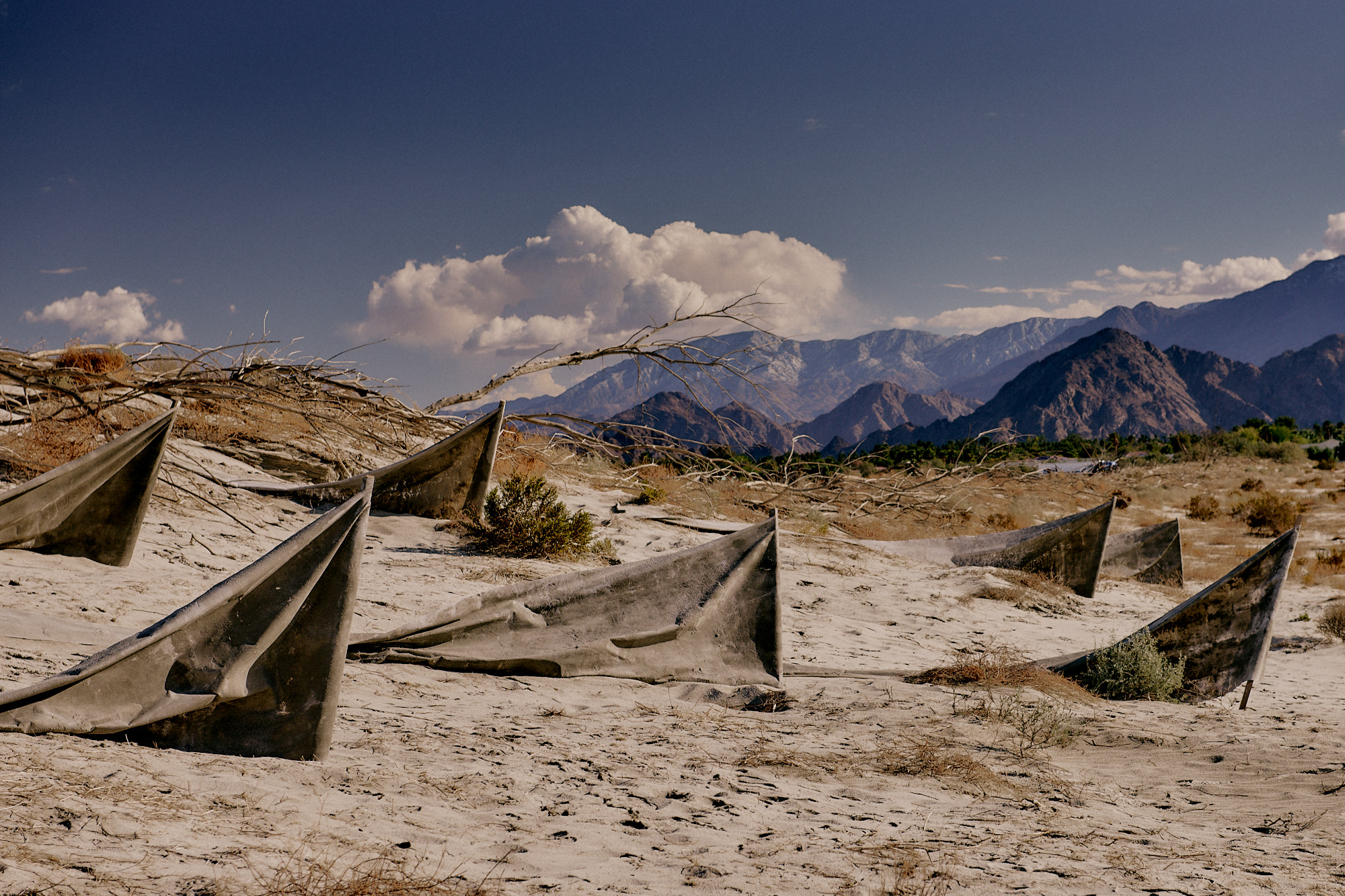
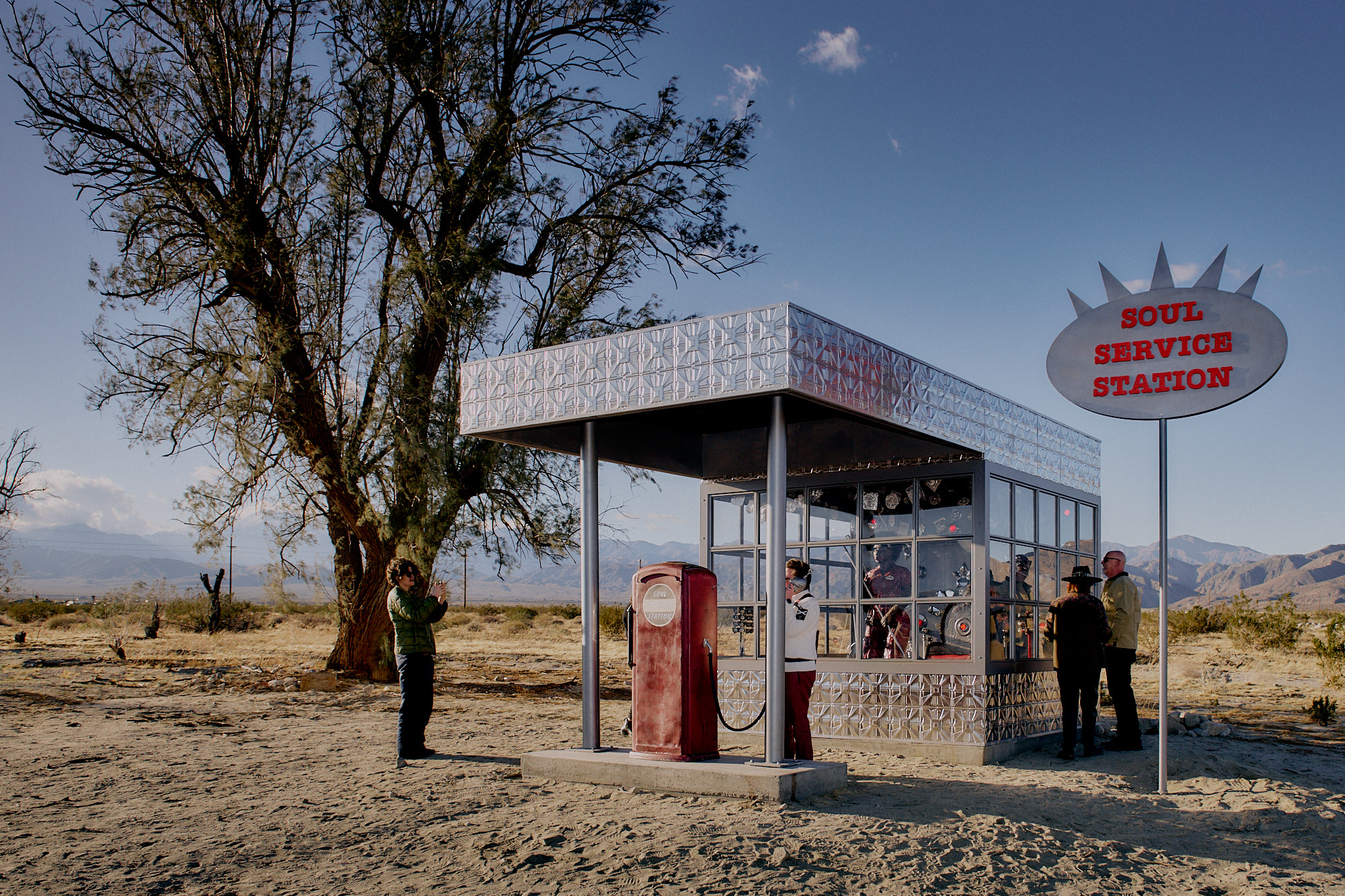
Alison Saar’s Soul Service Station appeared in the desert like a mirage, a sci-fi Ed Ruscha that used the vernacular of a gas station to deliver alternative fuels: decolonising poetry, care, and rootedness. There was a different kind of rootedness with Muhannad Shono‘s gentle, subtle, undulating intervention into the desert. Canvases like long flags were caught in the wind, and also in overgrowth and nature, trapped under sand, and over time decayed and broke themselves into the landscape. What Remains did not shout but assimilated, and as a poetic intervention spoke delicately to the natural shift of place but also human imposition and movement upon it.
Altogether more solid, though no less political or poetic, were Jose Dávila‘s monumental stone blocks, titled The act of being together. Chiselled out of Mexico then transported into the US, his sculptures sat amongst wind turbines like a post-modern Stonehenge, showing raw marks of extraction yet also a perfect settled balance in their new location, they spoke to ongoing migratory politics in the US, but in the fascist-present of ICE, retrospectively seem even more meaningful.
If you are lucky enough to visit the Coachella Valley whilst the bi-annual Desert X sculpture festival is on, it offers the perfect Mechanism through which to explore and discover the wider region. The word “site specific” is overused in art, but here it is central and true, and across the eleven works in the 2025 edition there were several that richly explored how artistic endeavours can be deeply rooted in place rather than simply placed there – Ronald Rael’s mud architecture, for example, which we featured last year (see 00288).
Alison Saar’s Soul Service Station appeared in the desert like a mirage, a sci-fi Ed Ruscha that used the vernacular of a gas station to deliver alternative fuels: decolonising poetry, care, and rootedness. There was a different kind of rootedness with Muhannad Shono‘s gentle, subtle, undulating intervention into the desert. Canvases like long flags were caught in the wind, and also in overgrowth and nature, trapped under sand, and over time decayed and broke themselves into the landscape. What Remains did not shout but assimilated, and as a poetic intervention spoke delicately to the natural shift of place but also human imposition and movement upon it.
Altogether more solid, though no less political or poetic, were Jose Dávila‘s monumental stone blocks, titled The act of being together. Chiselled out of Mexico then transported into the US, his sculptures sat amongst wind turbines like a post-modern Stonehenge, showing raw marks of extraction yet also a perfect settled balance in their new location, they spoke to ongoing migratory politics in the US, but in the fascist-present of ICE, retrospectively seem even more meaningful.
ROADSIDE PITSTOPS
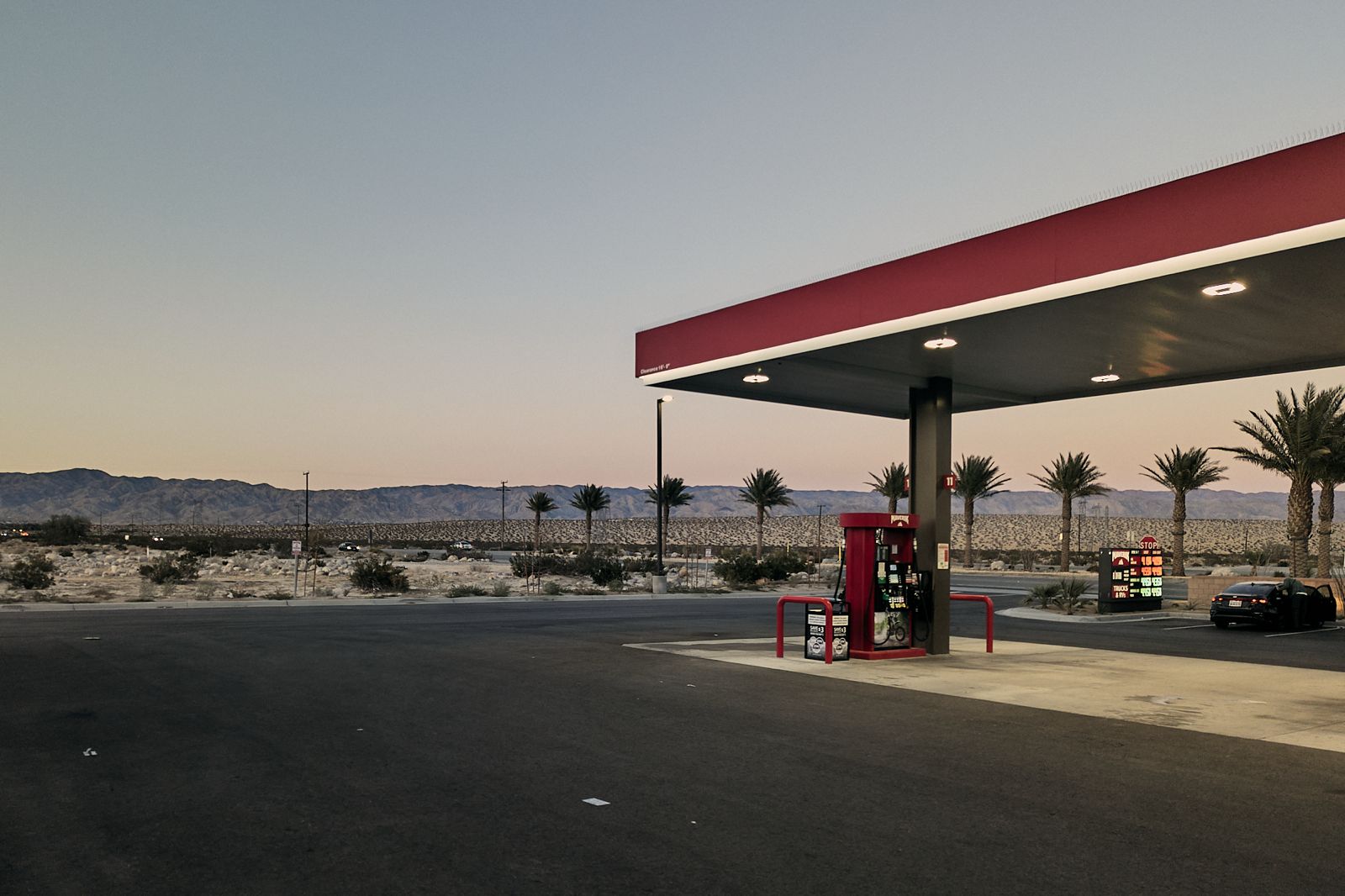
You will need a car to properly explore the landscapes and places around Palm Springs – it is not only the American way, it informs the cultural experience. Fascinating landscapes pass by the window, a glimpse of intriguing architecture disappears too quickly and is lost into the experience of moving through a landscape.
Of course, you will also want to stop off and escape the car. While classic pitstops like IN-N-OUT offer a classic refuel, we want to give a huge shout out to Hadley Fruit Orchards. It has been running since 1913, though a 1951 fire nearly wiped out the family business leading them to set up a roadside stand to sell their fruits and dates. Since then, it has grown beyond a stand into a packed store that sells a wide range of produce.
Now locally-owned by the Morongo Band of Mission Indians, you need to stop here for the dates. Not only are their Medjools – grown on one of their several local plantations – sweet and chewy, the deep date shakes are the perfectly rich refreshment (so good, recessed.space visited many times!).
You will need a car to properly explore the landscapes and places around Palm Springs – it is not only the American way, it informs the cultural experience. Fascinating landscapes pass by the window, a glimpse of intriguing architecture disappears too quickly and is lost into the experience of moving through a landscape.
Of course, you will also want to stop off and escape the car. While classic pitstops like IN-N-OUT offer a classic refuel, we want to give a huge shout out to Hadley Fruit Orchards. It has been running since 1913, though a 1951 fire nearly wiped out the family business leading them to set up a roadside stand to sell their fruits and dates. Since then, it has grown beyond a stand into a packed store that sells a wide range of produce.
Now locally-owned by the Morongo Band of Mission Indians, you need to stop here for the dates. Not only are their Medjools – grown on one of their several local plantations – sweet and chewy, the deep date shakes are the perfectly rich refreshment (so good, recessed.space visited many times!).




AZURE PALM HOT SPRINGS
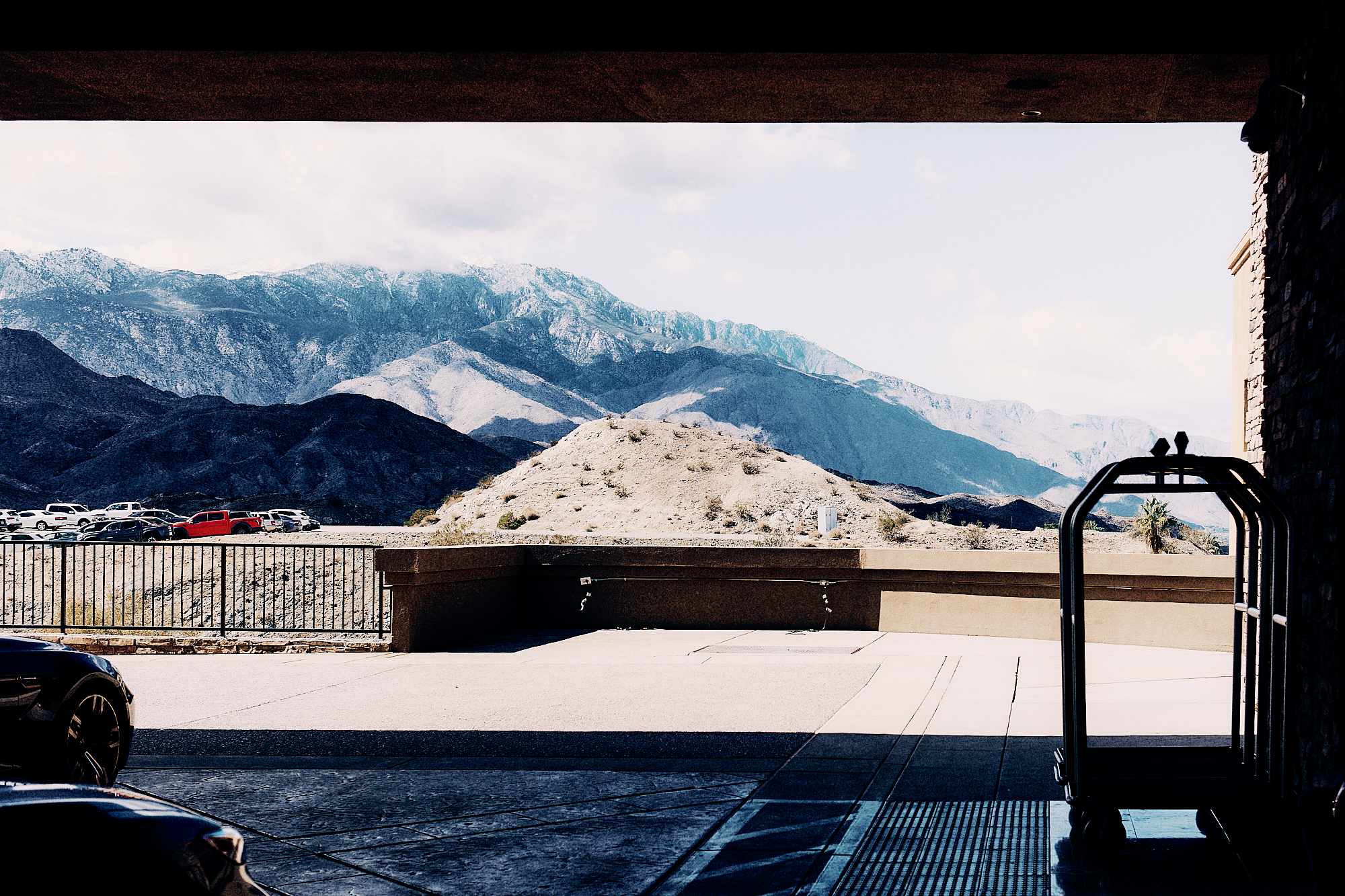
In the 1950s, Desert Hot Springs became a popular tourist destination with several small spa hotels popping up around the fresh waters. Developers followed, resulting in today’s settlement, and while Palm Springs has soaked some of the touristic attention, there are moments of emergence of the relaxing and luxury springs industry re-emerging. One of these is the Azure Palm Hot Springs, a place well worth spending a day away from the desert heat and intensity of driving – you may even want to stay a little longer!
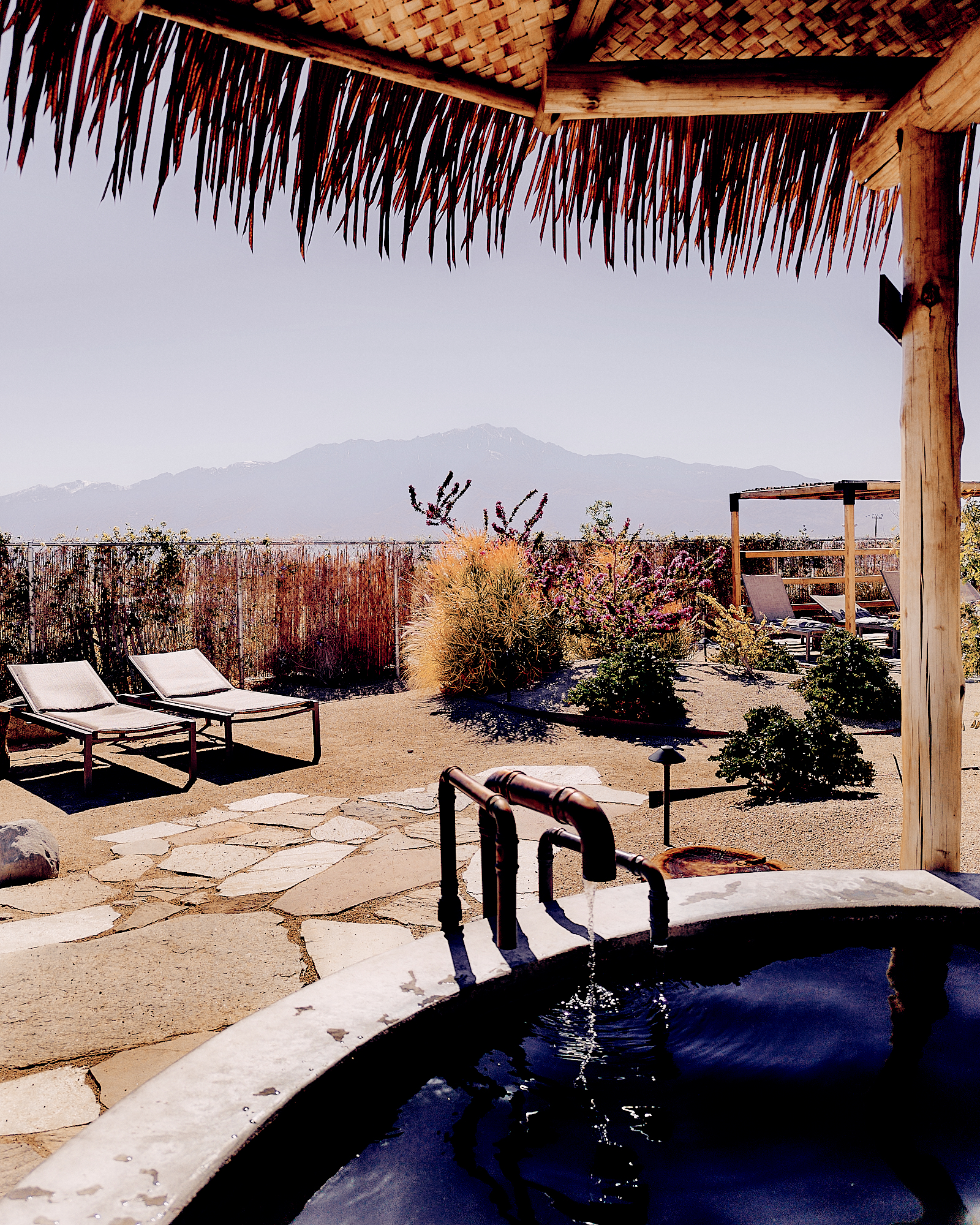
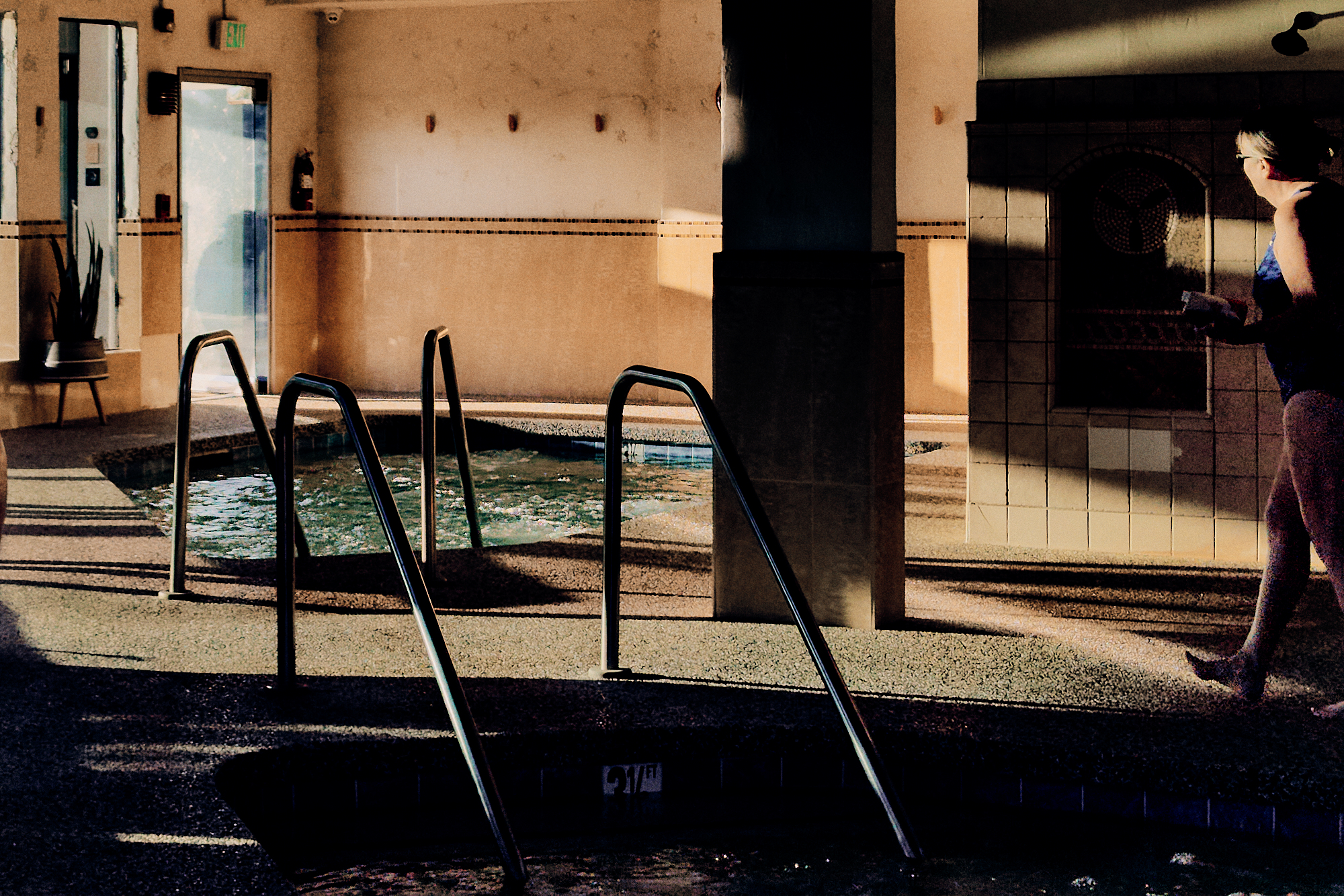
Two wells feed this large day spa and hotel which encompasses a rich range of inside and outside spa pools, a Finnish sauna, and intimate hot tubs of hot spring waters punctuating the acre of desert blooms. The terrace and gardens offer views across the Coachella Valley, while inside a café offers a healthy offer – recessed.space had a green salad and marinated rare tuna, with home-made nutrient-rich juices.
Crystal clear mineral waters emerge from the ground at nearly 80 degrees Celsius, great not only for soaking but also drinking since the first leaks of water by Cabot Yerxa in 1913. Desert Hot Springs has received more awards and recognitions for its water than anywhere else in the world, and Azure Palm Hot Springs lets you luxuriate in that mineral history.
recessed.space rejuvenated with a moisturising facial chosen from over 35 options on the menu, while overnight guests (and some of the rooms come with deep mineral soaking tubs) also get use of the only Himalayan Salt Room in the Coachella Valley.
In the 1950s, Desert Hot Springs became a popular tourist destination with several small spa hotels popping up around the fresh waters. Developers followed, resulting in today’s settlement, and while Palm Springs has soaked some of the touristic attention, there are moments of emergence of the relaxing and luxury springs industry re-emerging. One of these is the Azure Palm Hot Springs, a place well worth spending a day away from the desert heat and intensity of driving – you may even want to stay a little longer!
Two wells feed this large day spa and hotel which encompasses a rich range of inside and outside spa pools, a Finnish sauna, and intimate hot tubs of hot spring waters punctuating the acre of desert blooms. The terrace and gardens offer views across the Coachella Valley, while inside a café offers a healthy offer – recessed.space had a green salad and marinated rare tuna, with home-made nutrient-rich juices.
Crystal clear mineral waters emerge from the ground at nearly 80 degrees Celsius, great not only for soaking but also drinking since the first leaks of water by Cabot Yerxa in 1913. Desert Hot Springs has received more awards and recognitions for its water than anywhere else in the world, and Azure Palm Hot Springs lets you luxuriate in that mineral history.
recessed.space rejuvenated with a moisturising facial chosen from over 35 options on the menu, while overnight guests (and some of the rooms come with deep mineral soaking tubs) also get use of the only Himalayan Salt Room in the Coachella Valley.
